Finding an AAPI therapist in San Ramon means finding someone who understands both the clinical picture and the cultural one — family expectation, immigrant-generation gaps, and the quiet pressure to just handle it. This guide breaks down what actually matters when you're searching for care, and where San Ramon and Walnut Creek residents can start.
- Sycamore Grove Counseling offers individual, couples, family, and teen therapy in San Ramon with cultural and faith-integrated framing.
- Look for a therapist who names family-systems and generational dynamics directly, not generic diversity language.
- Faith-integrated couples therapy matters if religion shapes your relationship decisions — check for a dedicated track before booking.
- Skip any provider who treats AAPI identity as one monolithic culture instead of asking about your specific background.
Why this matters
San Ramon's population is more than 40% Asian American, per U.S. Census Bureau estimates, yet plenty of AAPI residents still delay therapy for years because they can't find a provider who understands family obligation, immigration-generation gaps, or the expectation to just push through. An AAPI therapist in San Ramon isn't a nice-to-have — for many clients, it's the difference between finishing an intake form and actually walking in the door.
Sycamore Grove Counseling works with individual, couples, family, and teen clients across San Ramon and Walnut Creek, and builds faith-integrated options into that mix when it fits the client's life. In 2026, that combination — clinical training, cultural fluency, and room for faith — is what most searches for an AAPI therapist near San Ramon are actually trying to find.
Who this is for
This guide is for San Ramon and Walnut Creek residents of Asian American or Pacific Islander background who want a therapist that gets both the clinical picture and the cultural context. That includes first-generation immigrants navigating parent expectations, second-generation professionals managing imposter syndrome and family pressure at the same time, multigenerational households sharing health decisions across three generations, and couples where faith and family tradition shape how conflict gets handled. It also covers parents looking for teen counseling that treats cultural context as central, not incidental.
What to look for in an AAPI therapist in San Ramon
Cultural competency that goes past a checkbox
A therapist who lists "culturally sensitive" on a website isn't the same as one who asks specific questions about your family structure, immigration history, or the role of saving face in your relationships. Ask how they'd handle a client whose parents disapprove of therapy itself — the answer tells you more than any bio page.
Understanding of family systems and filial duty
Many AAPI clients aren't choosing between self and family, they're trying to honor both. A therapist who defaults to pure individualism — set a boundary and move on — without acknowledging the real cost of that boundary in a multigenerational household loses trust fast.
Faith-integrated framing, when it applies
For clients whose faith shapes how they see marriage, parenting, or suffering, a therapist who can hold clinical tools and faith language at the same time keeps sessions relevant instead of feeling like two separate conversations happening in the same room.
Format flexibility for multigenerational households
Someone caring for aging parents while raising teenagers needs scheduling that bends around three different calendars. Evening slots, shorter check-ins, or family-inclusive sessions matter more here than in a typical single-adult caseload.
Stigma-aware entry points
A lot of AAPI clients approach therapy for the first time through a family member's suggestion, not their own choice. A first session that opens with clinical jargon can shut the door before rapport builds — plain language on the intake call matters more than it sounds.
Teen-specific cultural fluency
When the client is a teenager, the therapist has to hold two conversations at once: the teen's individual experience and the parents' cultural frame for what therapy even means. A provider who only speaks to one side loses the family's trust.
Where to start: service tracks that fit AAPI clients in San Ramon
Individual therapy — the steady pick
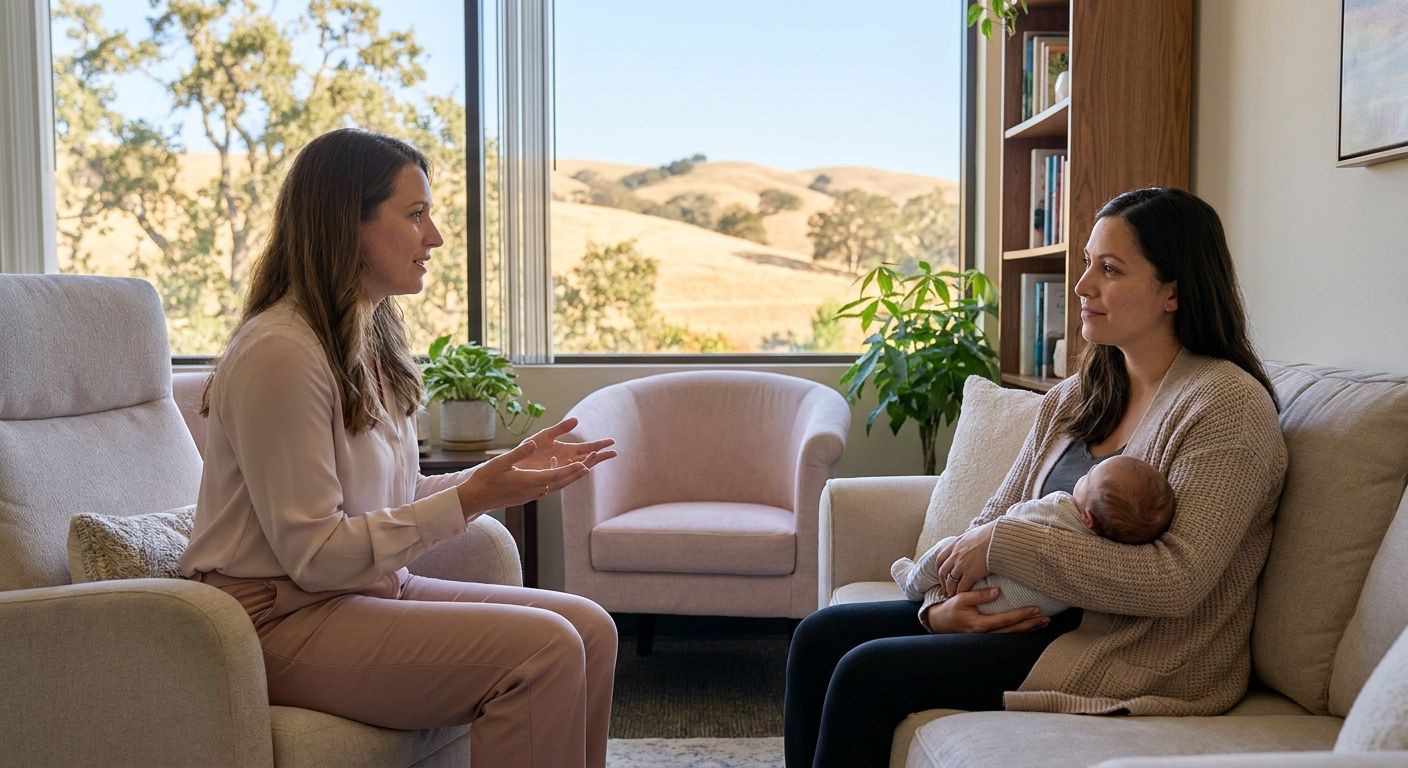
This track works for imposter syndrome, anxiety tied to family expectation, or a first-time client easing into a private, one-on-one setting. Sycamore Grove Counseling structures individual sessions around a standard 50-minute format, which leaves room to unpack the immediate stressor and the family context behind it. In 2026, this remains the most common entry point for clients who want to sort things out privately before bringing family into the room. Book if you want that private space first.
Faith-integrated couples therapy — the values-aligned pick
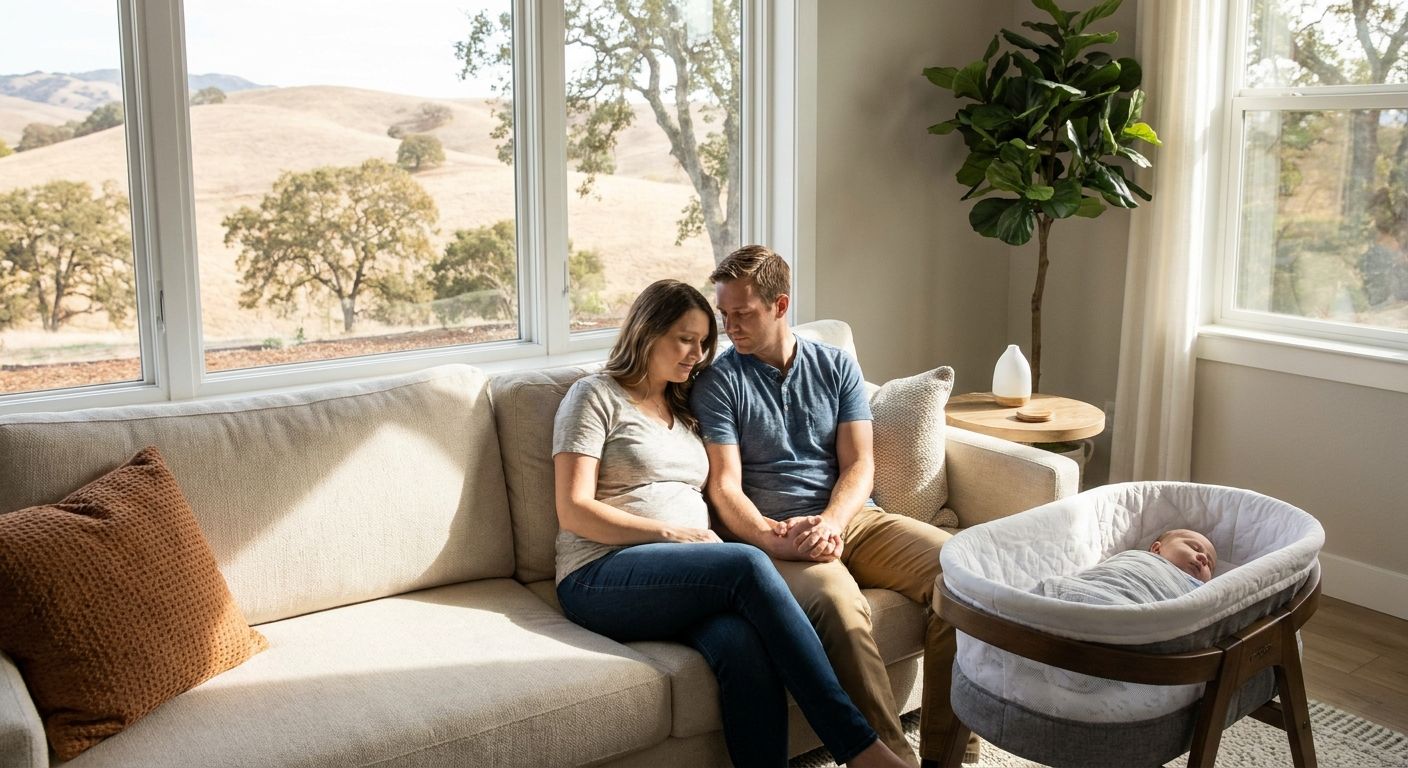
For couples where faith shapes decisions about marriage, parenting, or in-law dynamics, generic couples counseling can feel like it's missing half the conversation. Sycamore Grove's faith-integrated therapy for couples track pairs relationship-focused clinical work with room for faith language instead of setting it aside. Book if faith and relationship decisions are tied together in your household; Skip if you'd rather keep faith and therapy in separate lanes entirely.
Family therapy — the multigenerational pick
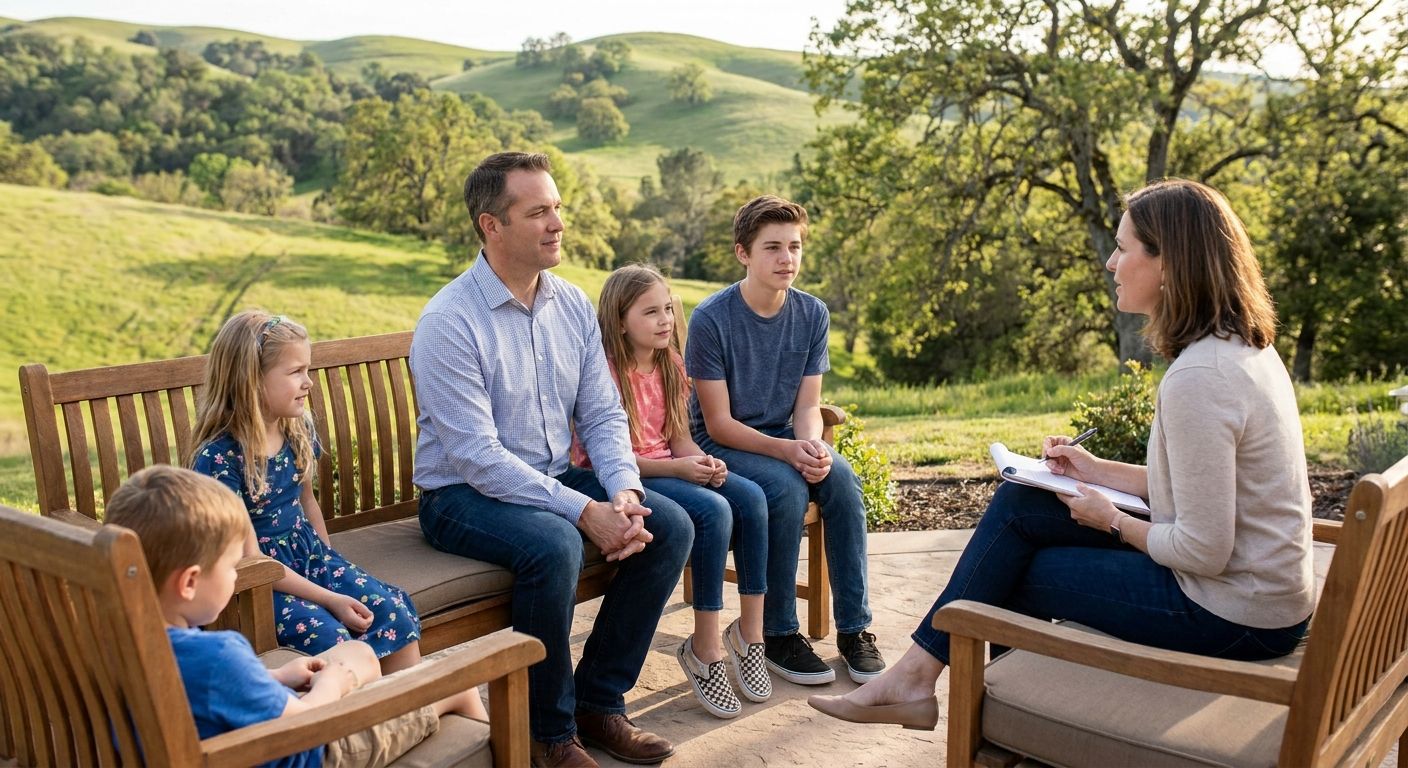
This fits households navigating disagreement across generations — parents and adult children, in-laws under one roof, or a teenager whose choices conflict with family expectation. Sessions can include as many family members as the situation calls for, which matters when the tension isn't between two people but a whole household adjusting to change. Consider this track when the friction point involves more than one relationship at a time.
Teen counseling — the confidence-building pick
Built for teens balancing school pressure, identity questions, and family expectation at once, with faith-sensitive framing available for households that want it. Book if a teen is showing signs of stress, withdrawal, or academic pressure spilling into home life.
What to avoid
- A therapist who treats "AAPI" as one culture. East Asian, South Asian, Southeast Asian, and Pacific Islander backgrounds carry different family norms, immigration histories, and stigma patterns — a provider who lumps them together hasn't done the work.
- Pure individualism with no family-systems lens. Advice that ignores the real social cost of "just setting boundaries" in a multigenerational household isn't wrong, it's incomplete.
- A faith-neutral stance when faith isn't neutral for you. If religion shapes how you see marriage or parenting, a therapist who avoids the topic entirely leaves half your framework unaddressed.
Verdict comparison
In 2026, here's how the main service tracks stack up for AAPI clients in San Ramon:
| Service Track | Best For | Faith-Integrated Option | Verdict |
|---|---|---|---|
| Individual therapy | First-time clients, imposter syndrome, personal stress | Available on request | Book |
| Faith-integrated couples therapy | Couples whose faith shapes relationship decisions | Yes, dedicated track | Book |
| Family therapy | Multigenerational conflict, filial-duty pressure | Available on request | Consider |
| Teen counseling | Teens under academic or family pressure | Available on request | Book |
Start your therapy journey
Individual, couples, family, and faith-integrated care in San Ramon.
FAQ
What does an AAPI therapist in San Ramon actually offer that a general therapist doesn't?
An AAPI therapist brings direct familiarity with family obligation, generational immigration gaps, and stigma around seeking help, instead of treating those as side notes. That context often changes how quickly rapport builds in early sessions.
Does Sycamore Grove Counseling offer faith-integrated therapy in San Ramon?
Yes, Sycamore Grove Counseling runs a dedicated faith-integrated therapy track for couples in San Ramon alongside individual, family, and teen counseling. Faith language is incorporated when it fits the client's life, not imposed by default.
Is couples therapy effective for faith-based AAPI couples?
Couples therapy works best for faith-based AAPI couples when it holds relationship research and faith framing together instead of setting religion aside. A dedicated faith-integrated track keeps both threads in the same conversation.
What's the difference between individual and family therapy for AAPI clients?
Individual therapy focuses on one person's internal experience over 50-minute sessions, while family therapy brings multiple household members into the room to address shared friction. Clients dealing with multigenerational conflict usually need the family format, not the individual one.
Can teens get faith-sensitive counseling in San Ramon?
Yes, teen counseling in San Ramon can include faith-sensitive framing alongside standard clinical work on stress, identity, and academic pressure. Parents can request this framing during intake.
How do I bring up therapy with parents who are skeptical of it?
Start with the practical framing that therapy is a structured conversation with someone trained to help, not a sign of family failure. Family therapy sessions can also include skeptical parents directly, which often does more than any outside explanation.
Is a first therapy session different for AAPI clients?
The first session is often shaped around plain-language intake instead of clinical jargon, since many AAPI clients arrive at therapy through a family member's suggestion rather than their own search. That framing matters more for trust-building than the specific techniques used later.
What if my background doesn't fit neatly into one AAPI category?
A competent therapist asks about your specific background rather than applying one generic AAPI framework, since East Asian, South Asian, Southeast Asian, and Pacific Islander experiences differ widely. Bring up your specific family history in the first call if it isn't asked directly.
One last thing
Most AAPI clients who finally book a first session say the same thing afterward: the family conversation they'd been avoiding got easier once someone else in the room understood why it was hard in the first place. That's the actual value of finding a therapist who speaks both languages — clinical and cultural — instead of choosing one and hoping the other doesn't matter. In 2026, that's still the detail most searches for an AAPI therapist in San Ramon are trying to solve for.